
 EN
EN
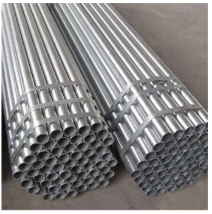
What Shape and Size Options Are Available?
Steel tubes are remarkably versatile, available in a variety of shapes such as round, square, and rectangular. These diverse forms cater to myriad applications across industries like construction, manufacturing, and engineering. Sizes typically range from small tubes with a diameter of about 1 inch to large ones exceeding 12 inches, accommodating different project needs. Customization extends beyond standard offerings, allowing for bespoke dimensions to satisfy unique specifications, thereby enhancing adaptability in complex architectural designs.
What Are the Exact Measurements and Tolerances?
Understanding the exact measurements and tolerances for steel tubes is critical for ensuring they meet the structural demands of various projects. Industry standards, often dictated by ASTM or ISO, define tolerances, ensuring that steel tubes maintain structural integrity under varying loads. Precision in measurements supports compliance and quality assurance, with tolerances crafted to suit specific project requirements. Buyers should proactively inquire about these tolerances to verify compatibility with their project specifications, thus avoiding costly alterations or delays.
What Finishing Processes Are Used?
Steel tube finishing processes are crucial for enhancing durability and resistance to environmental elements. Techniques such as galvanizing, powder coating, and polishing are commonly employed, significantly boosting corrosion resistance and longevity. Selecting the appropriate finishing process is vital for ensuring suitability for either indoor or outdoor applications, as each environment requires different treatment methods. Expert certifications, including ISO and ASTM compliance, serve as assurance of the quality and efficacy of the applied finishing processes.
What Are Your Minimum Order Quantities?
Understanding the minimum order quantities (MOQ) is crucial when dealing with steel tube suppliers. MOQs vary by supplier and can significantly influence purchasing choices, especially for small-scale projects that need a limited number of steel tubes. When you are aware of the MOQ, you can better plan your budget and potentially leverage discounts available for larger orders, thereby enhancing the overall viability of your project. It's essential to communicate directly and clearly with suppliers about their MOQ policies to avoid unexpected delays that could impact your project timelines. This proactive engagement ensures a seamless procurement process and aligns with your project goals.
Do You Provide Material Certifications?
Material certifications are vital for verifying the quality and grade of the steel tubes you procure. These certifications, such as ISO 9001, ASTM A500, or EN 10219, assure compliance with industry standards and governmental regulations, ensuring the tubes meet your project's specifications. Requesting these certifications upfront can solve potential compliance issues during inspections and bolster trust in your sourcing decisions. By securing the necessary certifications early, you can ensure that the steel tubes align with your project's safety and quality requirements, fostering successful outcomes.
What Is the Estimated Lead Time?
Knowing the estimated lead time for steel tube orders is pivotal for effective project planning and execution. Lead times can vary due to factors like supplier production capacity, material availability, and specific customization requirements. By understanding these timelines, you can mitigate potential delays in your construction timelines, ensuring smoother project progression. Engaging with suppliers about lead times in the initial stages of procurement fosters better understanding and sets realistic expectations for deliveries. This strategic approach aids in maintaining schedules and avoiding costly interruptions.
Pricing, Logistics, and Delivery Considerations
What’s Included in the Total Cost?
Understanding the total cost of a steel tube order requires transparency on all charges beyond the base price. This includes expenses like shipping, handling, and possible duty fees, which can impact the overall budget. Buyers should request detailed quotes that outline each component of the cost to avoid surprises. Ensuring this level of transparency aids in effective budget planning and avoids unforeseen expenses. Additionally, it is beneficial to ask about any possible discounts for bulk orders or if the supplier offers loyalty programs. These savings can greatly enhance the financial viability of ongoing projects.
Can You Accommodate Rush Deliveries?
In cases where timelines are tight and materials are needed promptly, understanding a supplier's capabilities for rush deliveries is crucial. Suppliers often provide expedited shipping options, but it is important to clarify these options and any potential additional fees involved, as these can significantly affect project budgets. Establishing clear protocols for placing rush orders not only streamlines the procurement process but also enhances the working relationship with suppliers. This is especially important when managing large-scale steel tube orders where delays can escalate costs and disrupt project timelines.
Material Quality and Compliance Standards
What Steel Grade Is Recommended for My Project?
Selecting the correct steel grade is crucial for ensuring the success and durability of any project. Common steel grades such as A36 and A53 offer specific properties suited to different applications, whether structural or aesthetic. It is imperative to consult with manufacturers to understand the particular advantages of each grade. This collaborative approach can help identify the steel grades that match the specific structural demands or aesthetic desires of your project. For instance, A36, known for its strength and weldability, is typically favored for construction, while A53 is often chosen for its superior resistance to pressure and corrosion, making it ideal for piping applications. Understanding these distinctions aids in long-term project reliability, minimizing risks associated with inappropriate material choices.
How Do You Ensure Compliance With Industry Standards?
Ensuring compliance with industry standards is a fundamental aspect of manufacturing high-quality steel tubes. Manufacturers should adhere to recognized standards like ASTM and ANSI to maintain product safety and integrity. Regular audits and certifications are vital components of the compliance process, offering transparency in quality control measures. These practices help verify that production consistently meets stringent standards, which is critical for fostering trust among buyers. Furthermore, providing documentation of compliance not only instills confidence but also mitigates risks associated with non-compliant materials. Establishing a robust compliance framework ultimately supports sustainable supplier relationships and enhances project outcomes by ensuring consistent product quality.
Who Manufactures the Steel Tubes?
Understanding who manufactures steel tubes is crucial for assessing reliability and product quality. Reputation and history in the industry can provide insights into the manufacturer's expertise and their commitment to delivering high-quality products. Potential buyers should research the manufacturer's processes and available technologies, as this offers valuable information on production efficiency and the consistency of outputs. Additionally, ensuring the manufacturer has expertise in specific grades and types of steel can significantly benefit project success. Such expertise not only impacts material quality but also influences the durability and safety of the structures using their steel tubes.
What Is Your Production Capacity?
Evaluating a manufacturer's production capacity is vital for buyers to determine whether they can meet demand and effectively reduce lead times. High production capabilities often indicate that a supplier is well-equipped to handle bulk orders or respond smoothly to sudden demand increases. Understanding production capacity is not only crucial for immediate purchasing decisions but also informs future project scalability and planning for ongoing supply needs. This knowledge ensures that buyers can rely on steady supply chains and avoid disruptions, thereby fostering long-term partnerships and project stability.
FAQ Section
What shapes and sizes do steel tubes come in?
Steel tubes are available in various shapes such as round, square, and rectangular, with sizes ranging from small diameters of 1 inch to larger diameters exceeding 12 inches.
Why are finishing processes important for steel tubes?
Finishing processes like galvanizing, powder coating, and polishing enhance the durability and resistance to environmental elements, making them crucial for both indoor and outdoor applications.
What are common industry standards for steel tubes?
Common industry standards include ASTM and ANSI, which manufacturers follow to ensure product safety, integrity, and compliance through regular audits and certifications.
Table of Contents
- What Shape and Size Options Are Available?
- What Are the Exact Measurements and Tolerances?
- What Finishing Processes Are Used?
- What Are Your Minimum Order Quantities?
- Do You Provide Material Certifications?
- What Is the Estimated Lead Time?
- Pricing, Logistics, and Delivery Considerations
- Material Quality and Compliance Standards
- Who Manufactures the Steel Tubes?
- What Is Your Production Capacity?
- FAQ Section