solar high mast light price list
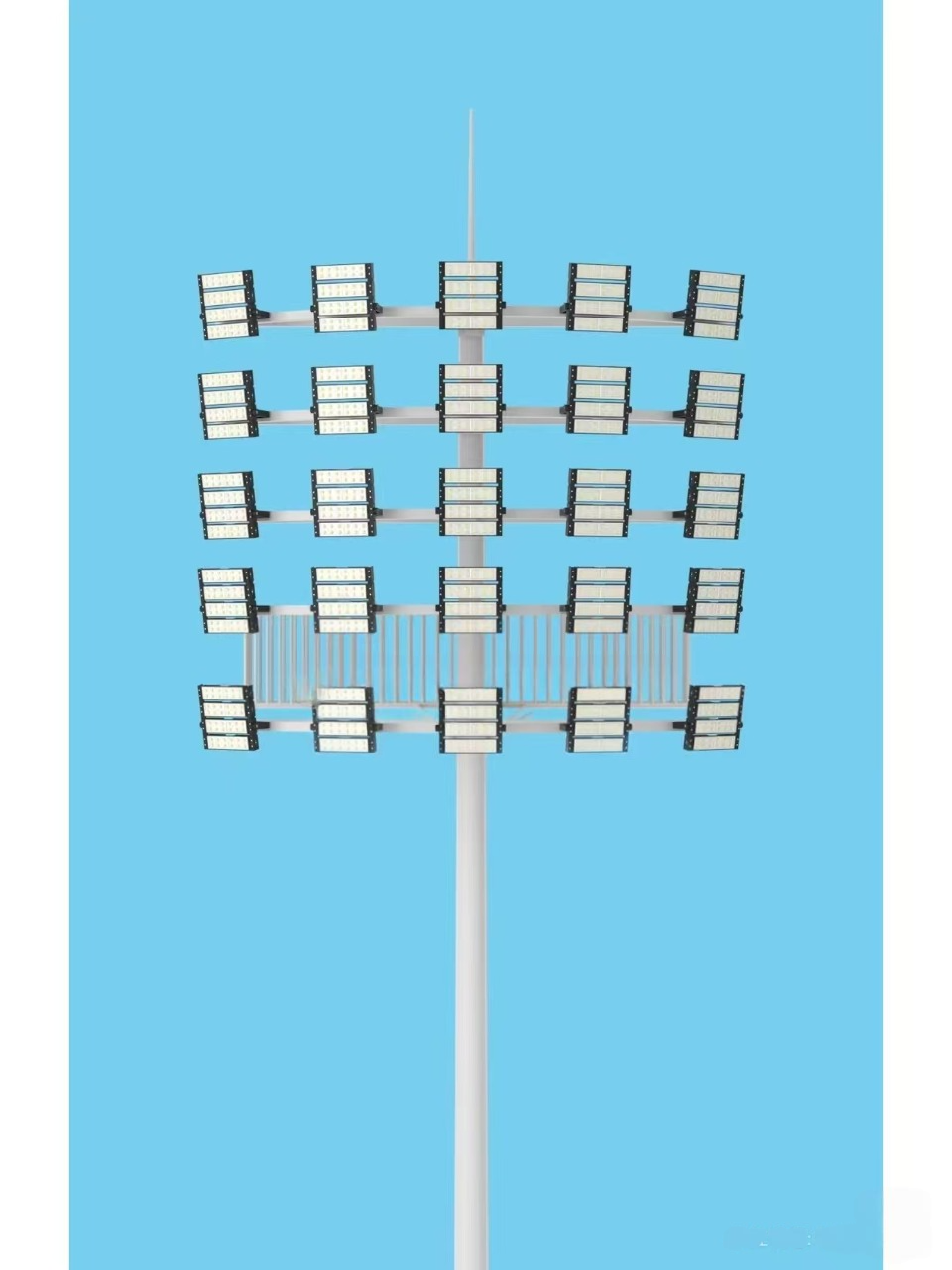
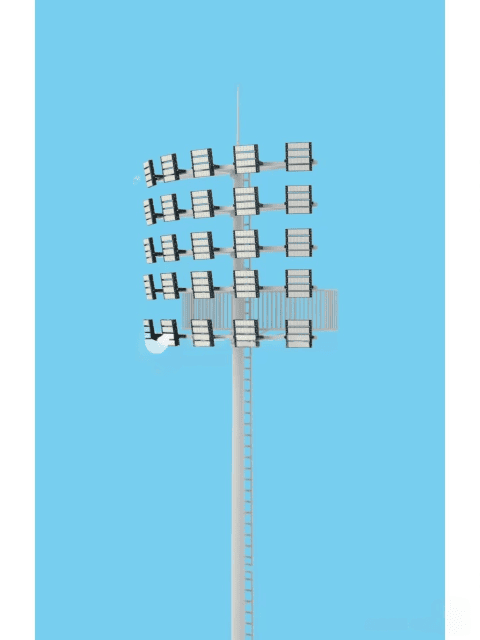
The solar high mast light price list represents a comprehensive guide for organizations seeking efficient outdoor lighting solutions that combine sustainability with powerful illumination capabilities. These innovative lighting systems integrate advanced photovoltaic technology with high-intensity LED fixtures mounted on towering structures, typically ranging from 15 to 40 meters in height. The main functions of solar high mast lights encompass wide-area illumination for large spaces such as parking lots, industrial facilities, sports complexes, airports, and highway intersections. Their autonomous operation relies entirely on solar energy harvesting during daylight hours, storing power in high-capacity lithium batteries for nighttime deployment. Technological features include intelligent control systems with programmable timers, motion sensors, and remote monitoring capabilities that optimize energy consumption while maintaining consistent light output. The photovoltaic panels utilize monocrystalline or polycrystalline silicon cells with efficiency ratings exceeding 20 percent, ensuring reliable power generation even in challenging weather conditions. LED luminaires deliver exceptional luminous efficacy, often surpassing 150 lumens per watt, while providing uniform light distribution across expansive areas. Applications span multiple sectors including transportation infrastructure, commercial developments, recreational facilities, security perimeters, and emergency lighting systems. The modular design allows for customization based on specific illumination requirements, geographic location, and budget constraints. Advanced battery management systems prevent overcharging and deep discharge cycles, extending operational lifespan significantly. Weather-resistant construction materials ensure durability against harsh environmental conditions, while anti-corrosion treatments protect metal components from degradation. These systems offer scalable solutions for projects requiring minimal maintenance overhead and reduced operational costs compared to conventional grid-connected alternatives.

 EN
EN