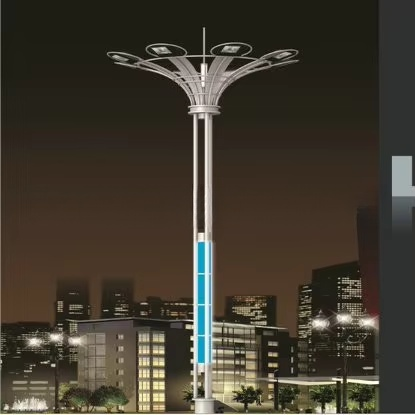
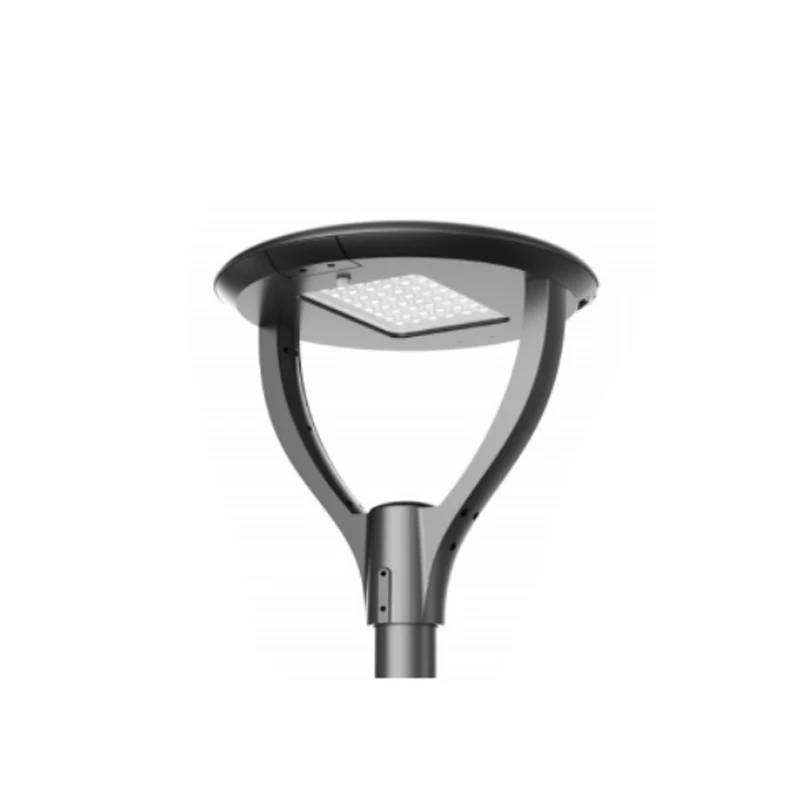
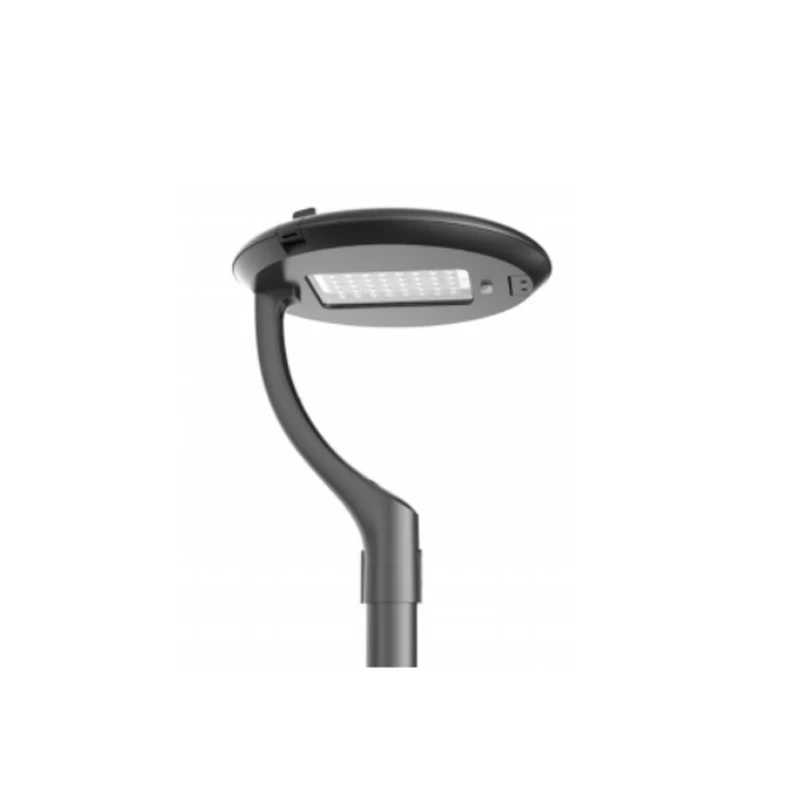
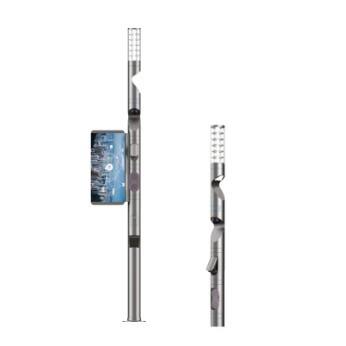
high mast solar light
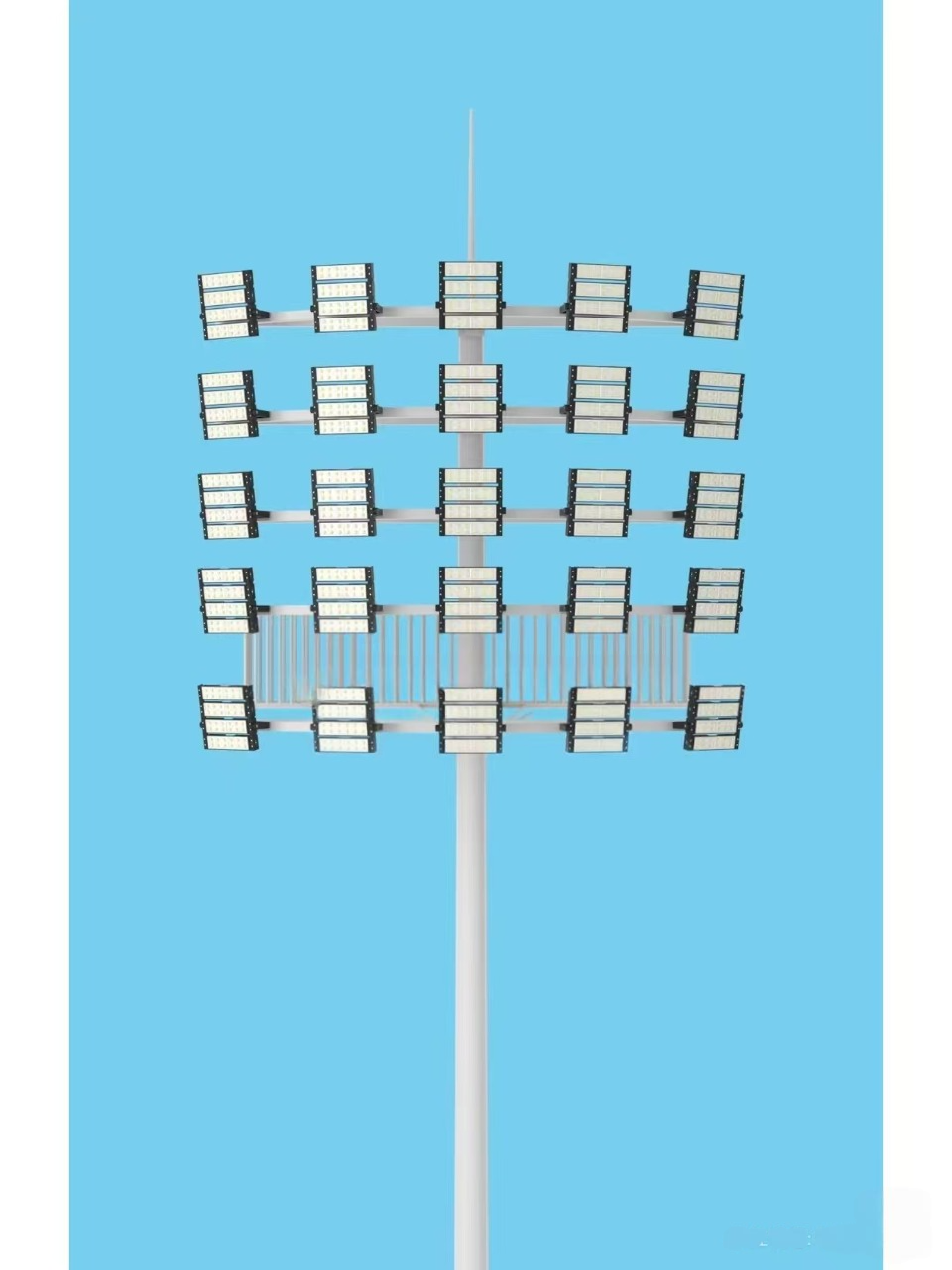
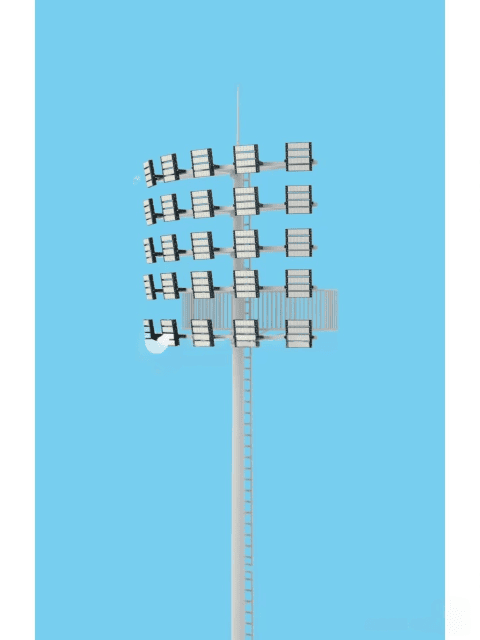
The high mast solar light represents a revolutionary advancement in outdoor illumination technology, combining renewable energy solutions with powerful lighting capabilities. These towering structures typically range from 20 to 40 meters in height, designed to illuminate large areas such as airports, industrial complexes, highways, and recreational facilities. The high mast solar light integrates photovoltaic panels, intelligent control systems, and LED luminaires into a single, self-contained unit that operates independently from the electrical grid. The main function of these systems centers on providing consistent, reliable lighting for expansive outdoor spaces while minimizing environmental impact and operational costs. Advanced battery storage technology ensures continuous operation during extended periods of limited sunlight, while sophisticated control mechanisms optimize energy consumption based on ambient conditions and usage patterns. The technological features include weather-resistant construction materials, corrosion-resistant coatings, and robust mounting systems capable of withstanding extreme weather conditions including high winds and temperature fluctuations. Modern high mast solar light installations incorporate smart sensors that automatically adjust brightness levels according to surrounding light conditions, motion detection capabilities, and programmable timing functions. The integrated LED technology delivers superior luminous efficacy compared to traditional lighting solutions, producing more light per watt consumed while maintaining consistent color temperature throughout the operational lifespan. Applications span across diverse sectors including transportation infrastructure, where these systems illuminate major intersections, parking areas, and highway interchanges. Sports complexes utilize high mast solar light installations to provide uniform illumination for evening activities and events. Industrial facilities benefit from enhanced security lighting that operates reliably without depending on local power infrastructure. Municipal governments increasingly adopt these sustainable lighting solutions for public spaces, reducing long-term maintenance costs while demonstrating environmental stewardship.

 EN
EN