freeway high mast lighting
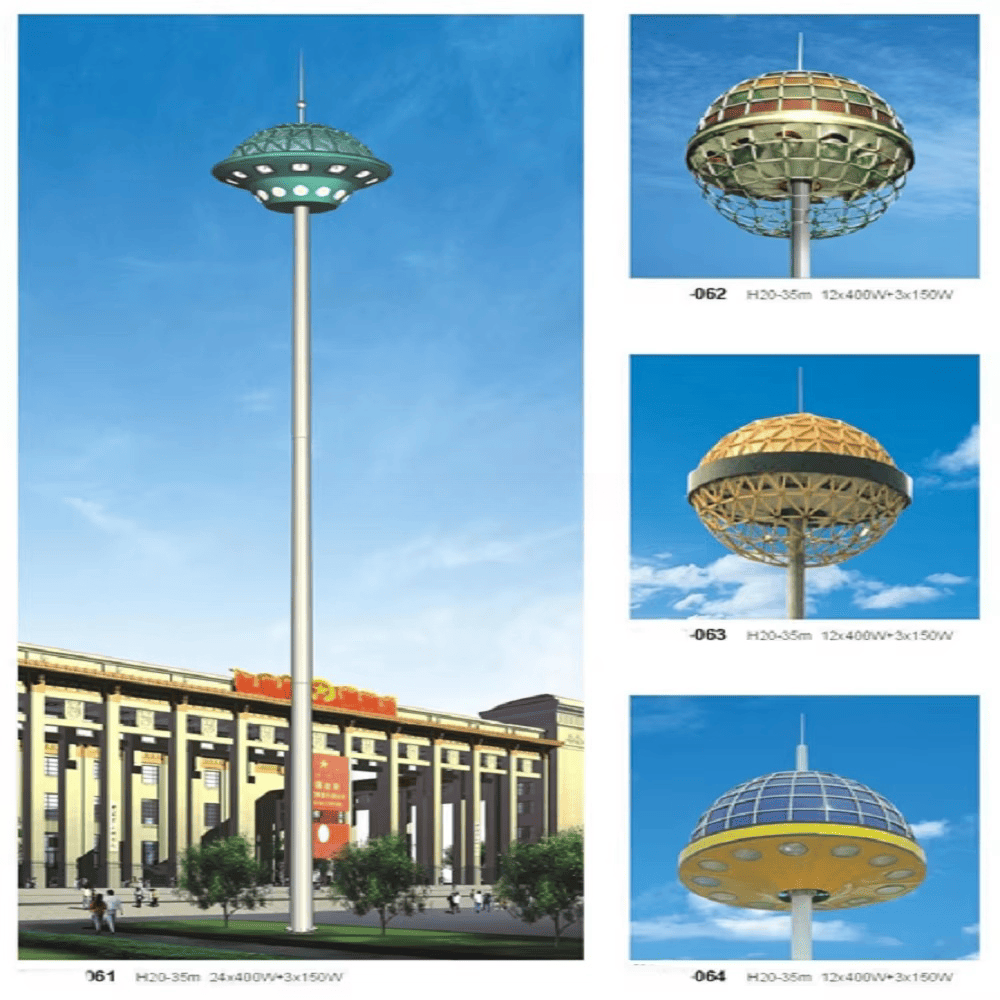
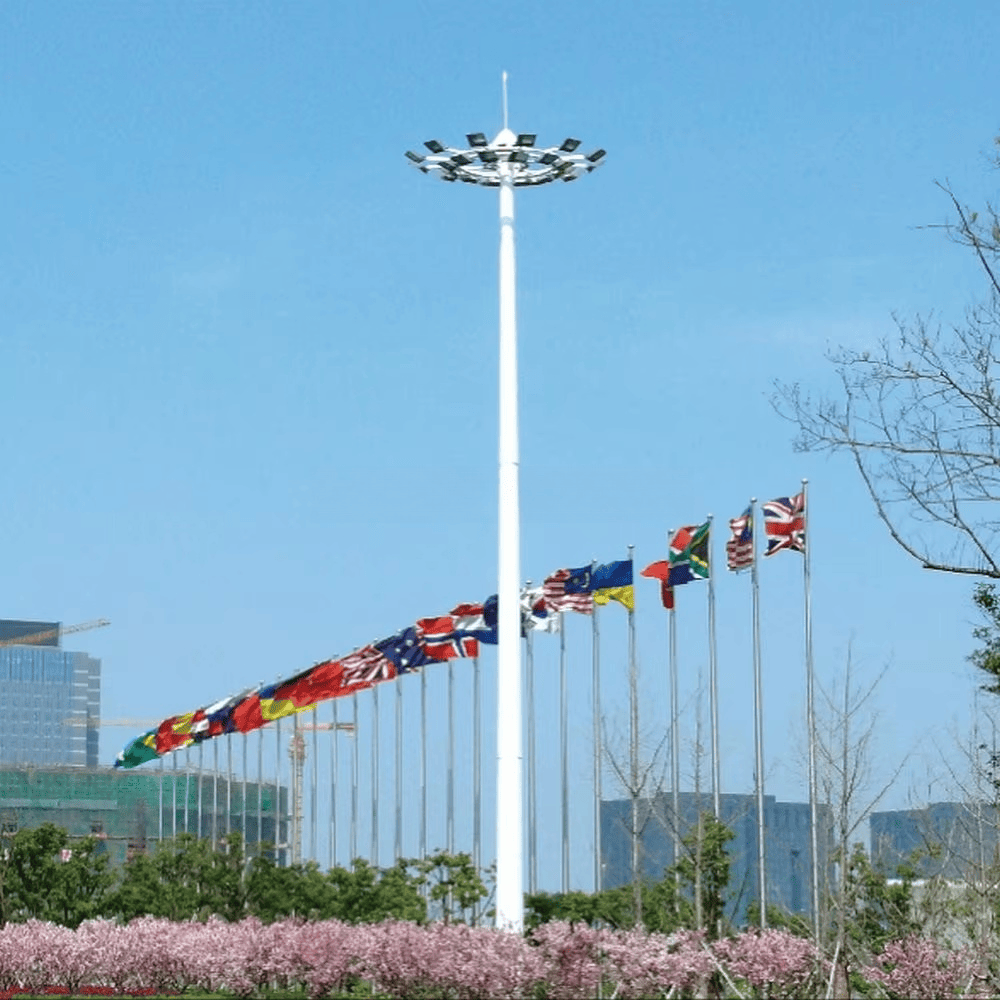
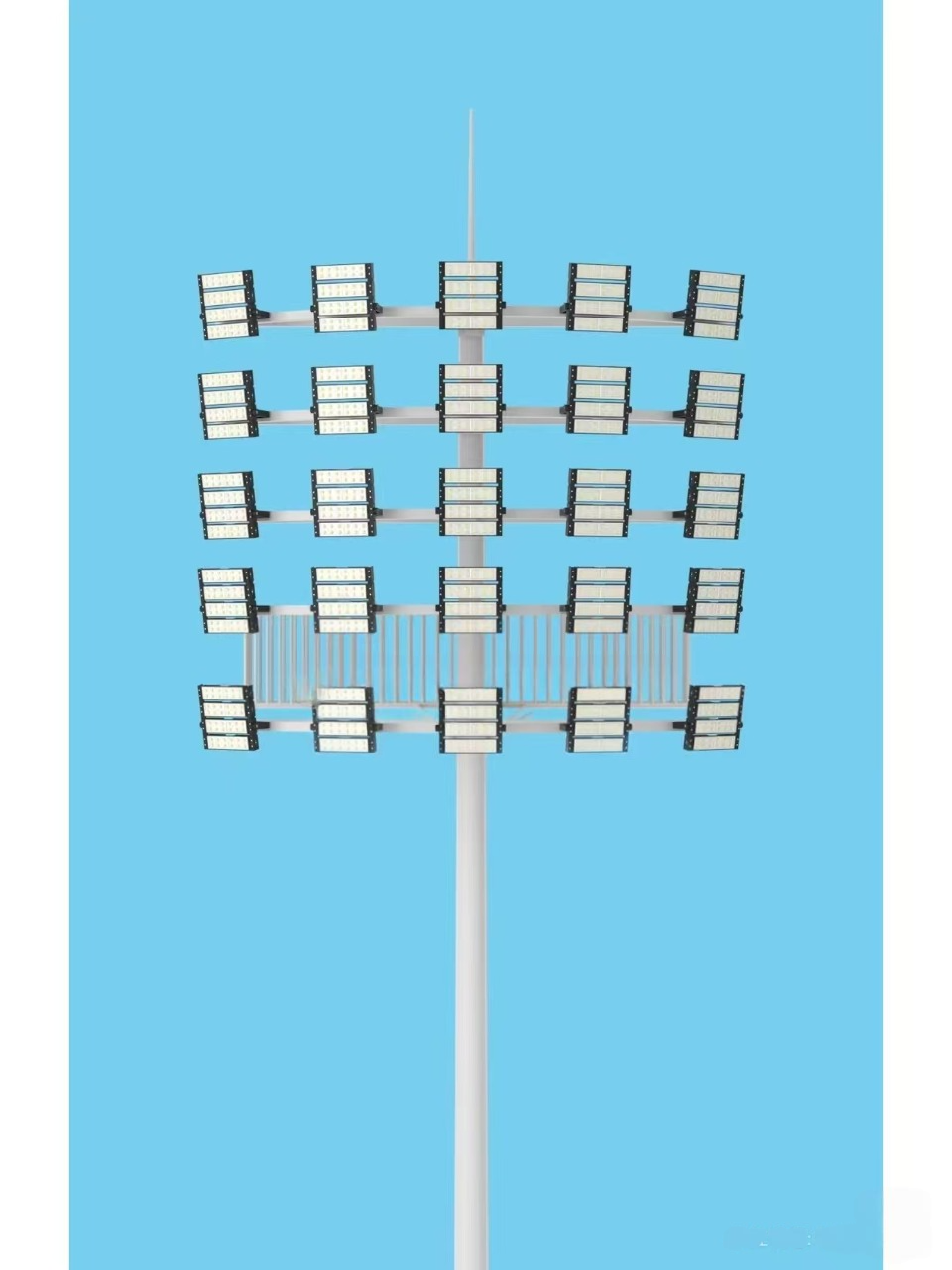
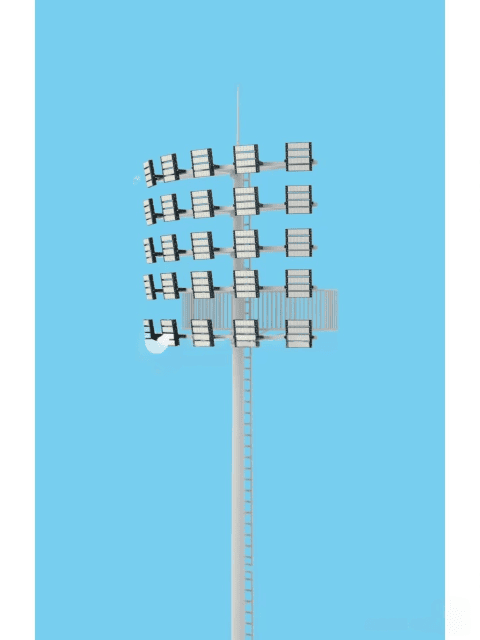
Freeway high mast lighting represents a critical infrastructure component designed to illuminate extensive highway corridors, interchanges, and major transportation arteries with superior efficiency and coverage. These towering illumination systems typically range from 100 to 150 feet in height, strategically positioned to provide comprehensive lighting across multiple traffic lanes and surrounding areas. The primary function of freeway high mast lighting involves ensuring optimal visibility conditions for motorists during nighttime hours, adverse weather conditions, and low-light situations that could compromise road safety. These sophisticated lighting installations utilize advanced LED technology, metal halide, or high-pressure sodium fixtures mounted on tall poles to deliver consistent, uniform illumination patterns that enhance driver perception and reaction times. The technological features of freeway high mast lighting include automated control systems that adjust brightness levels based on ambient conditions, energy-efficient LED arrays that reduce operational costs, and robust structural designs engineered to withstand extreme weather conditions including high winds, ice storms, and seismic activity. Modern freeway high mast lighting systems incorporate smart monitoring capabilities that enable remote diagnostics, predictive maintenance scheduling, and real-time performance assessment to minimize downtime and ensure continuous operation. Applications for freeway high mast lighting extend beyond basic roadway illumination to include airport runways, large parking facilities, industrial complexes, sports venues, and maritime ports where expansive area coverage is essential. The strategic placement of these lighting systems reduces the number of individual poles required compared to conventional street lighting, resulting in lower maintenance requirements and improved aesthetic appeal along highway corridors. Advanced photometric design ensures optimal light distribution patterns that minimize glare while maximizing roadway visibility, contributing to enhanced traffic flow and reduced accident rates in critical transportation zones.

 EN
EN